Exhibitions
Enjoy our exciting temporary exhibitions
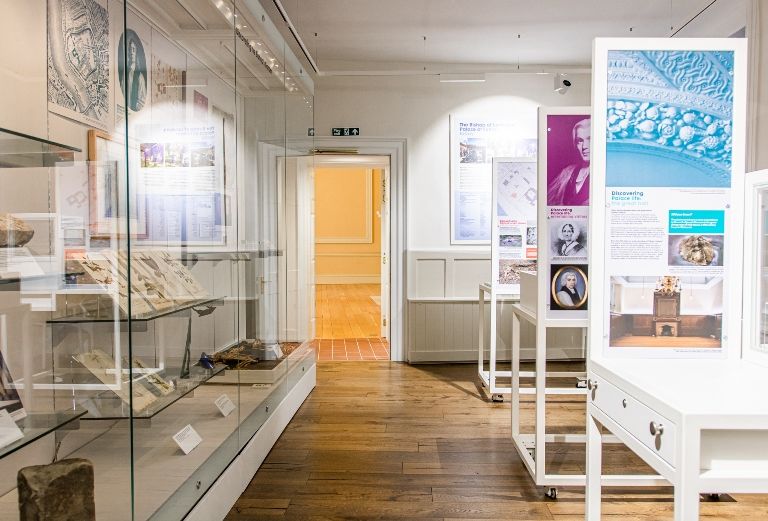
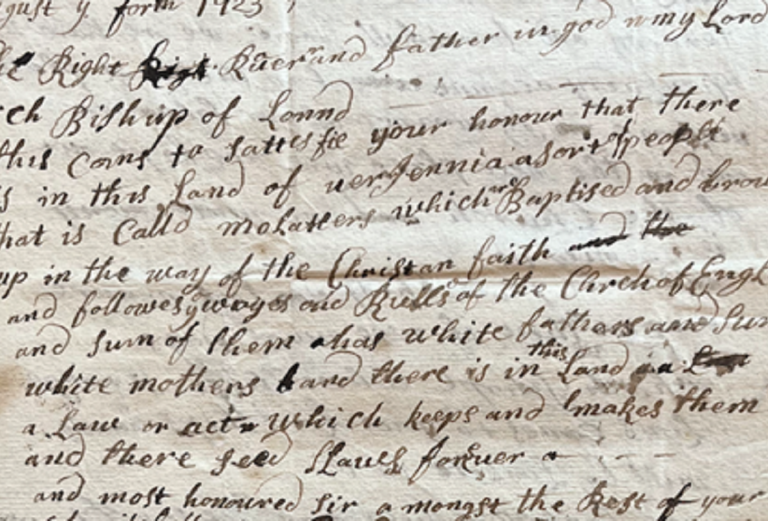
The Bishops of London, colonialism and transatlantic slavery: resistance
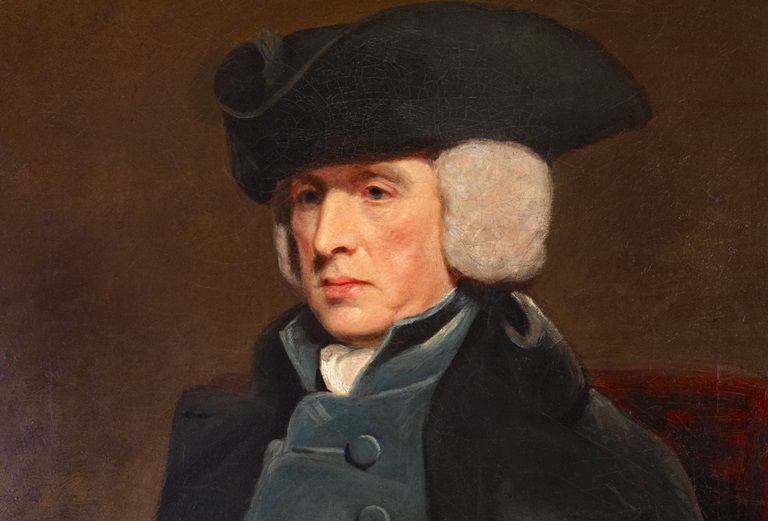
The Church of England was deeply implicated in Britain’s colonial expansion and the transatlantic traffic in enslaved Africans. The Bishop of London, who lived at Fulham Palace, was one of the Church’s most senior figures, having had jurisdiction over the British colonies around the world.
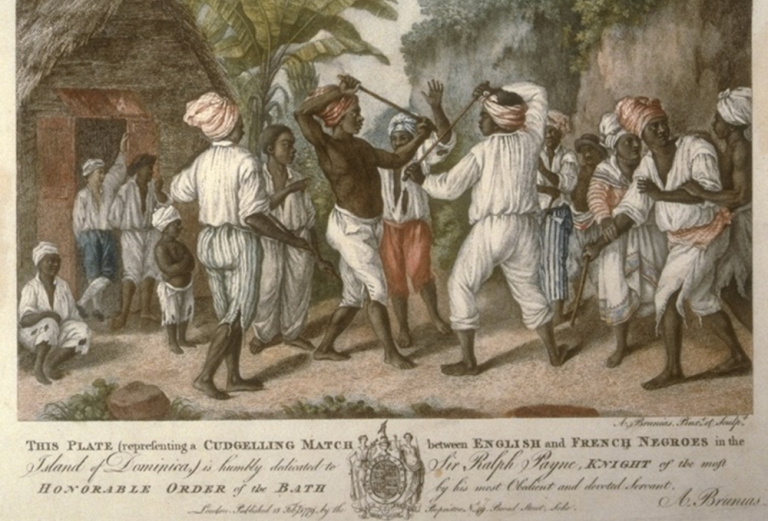
This exhibition is the culmination of a two-year research project. The exhibition, co-curated with spoken word poet Adisa the Verbaliser, worked with 100 participants from the surrounding community to explore the story of resistance of enslaved people through the four major themes: hair, dance (and martial arts), obeah and song.
The exhibition showcases the work of the community participants and examines the systems of physical and spiritual resistance that ultimately led to the ending of the transatlantic traffic in enslaved people and slavery itself in the British Empire. This is set against the backdrop of the historic involvement of the Bishop of London and the Church of England in colonialism and transatlantic slavery.
Details
-
Open during museum opening times
-
Admission is free
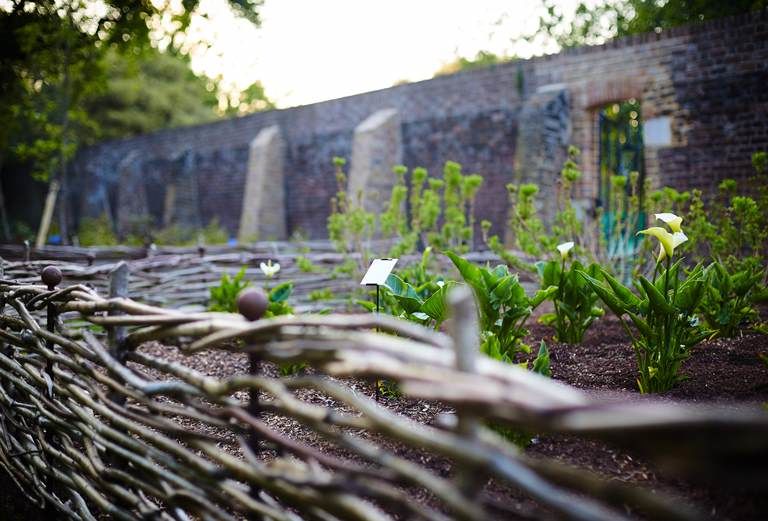
Seasons in time: the Palace garden from then to now
On display from 16 April 2025 • the drawing room cafè
From the earliest cultivation over 1,300 years ago to today’s heritage planting, uncover how the people, plants and purpose have shaped the Palace’s historic garden.


Writing back to power
26 October – 29 November • Bishop Terrick’s drawing room
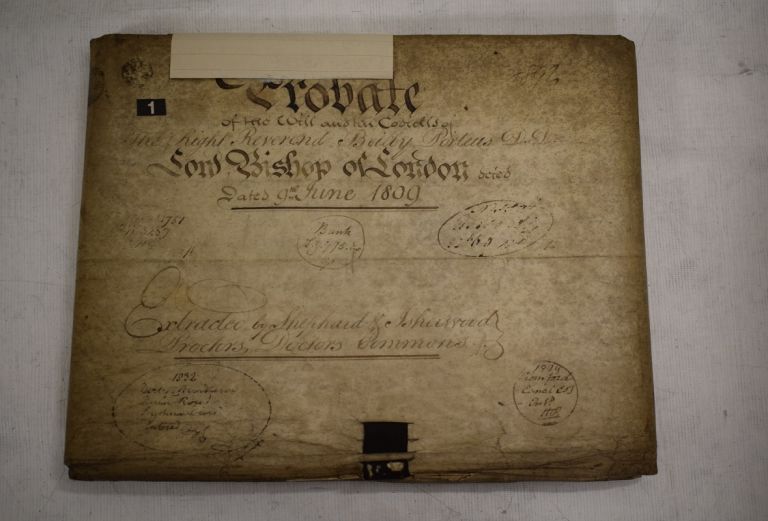
Explore the hidden stories within the Fulham Papers, revealing the connections between Fulham Palace, the Church of England, colonialism and transatlantic slavery. Co curated with young people from Parents Action and Resource Centre (PARC), this thought provoking exhibition brings archival research together with film, poetry and creative responses.
Objects from the Oxford University Herbaria
July 2024 – present • temporary exhibition room
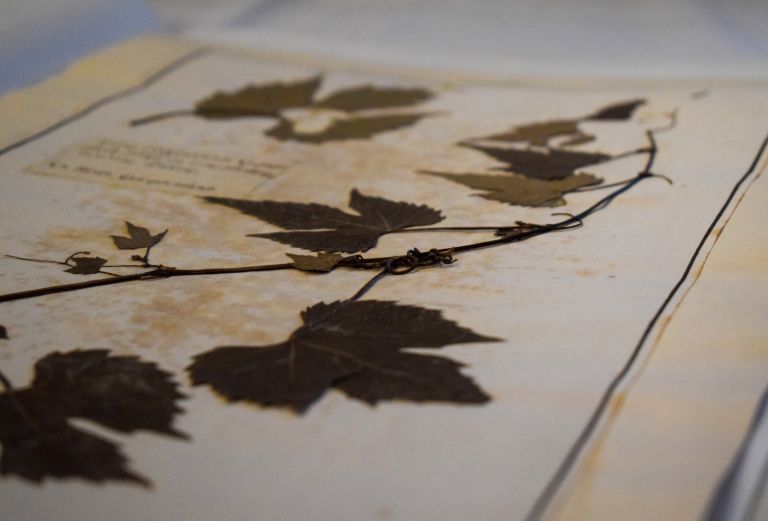
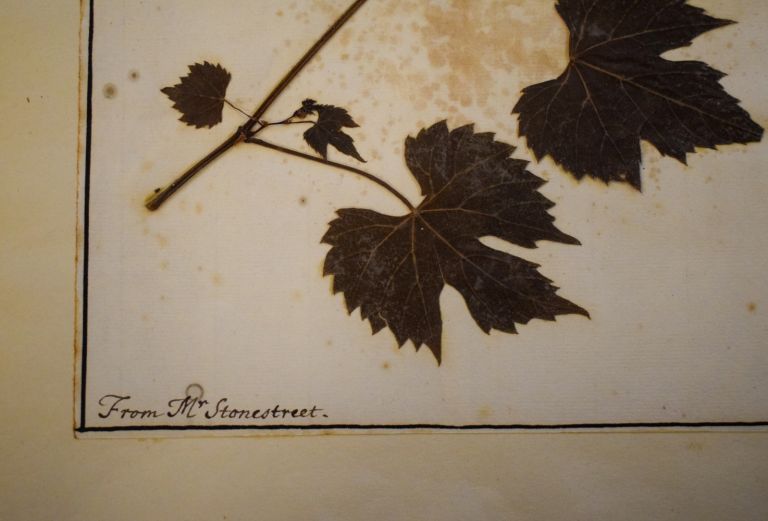
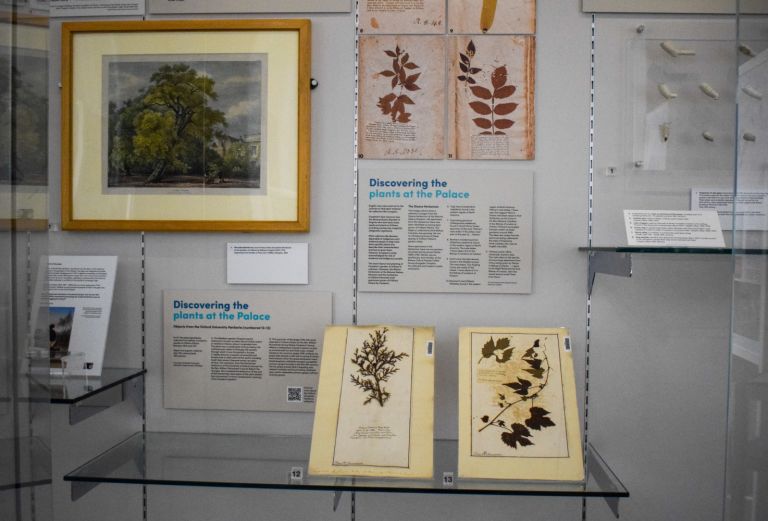
Discover rare botanical treasures from the Oxford University Herbaria, on display at Fulham Palace thanks to a unique partnership. This exhibition showcases herbarium specimens and botanical drawings from the time of Bishop Henry Compton (1675 – 1713), who cultivated over 1,000 plant species at the Palace.
Both specimens were collected here at the Palace. The Mexican cypress, known as cedro blanco in its native Mexico, and a fox grape specimen gathered by Rev. William Stonestreet during Bishop Compton’s time, reflect a growing interest in plants not just as ornamentals but also as food crop
These remarkable pieces provide a fascinating glimpse into the rich botanical history of the 17th and 18th centuries.

Discovering the Bishop of London’s Palace at Fulham
25 May 2019 – present
The first exhibition in our new museum celebrates our recent £3.8 million restoration project, revealing what was involved in this three-year programme to restore and reinterpret our Tudor courtyard and historic rooms and create new beds in the botanic garden.
Find out how the complex restoration project resulted in a richer understanding of the building of Fulham Palace, how the site was used and the people who lived and worked here over the centuries.
Learn about the work carried out by specialist conservators and craftspeople, and the traditional methods they employed to remain faithful to those used at Fulham Palace in the past.
Discover fascinating finds, from artefacts uncovered through archaeology digs to a 17th century painted wall hidden behind plasterboard.
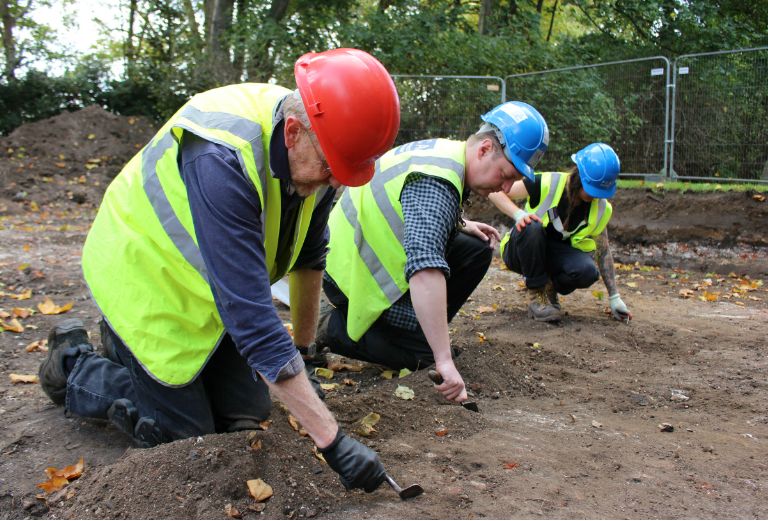
Learn about the vital role our volunteers played in discovering more about Fulham Palace and the Bishops of London through carrying out an extensive archive research project and participating in archaeology digs.
Details
-
On display from 25 May 2019
-
Open during museum opening times
-
Admission is free


Interested in showcasing your work?
Fulham Palace is a Grade I listed building surrounded by 13 acres of a beautiful Grade II listed garden creating the perfect backdrop to showcase unique and breathtaking works of art. Learn more about showcasing your work at Fulham Palace.


