By PhD researcher Eleanor Hex
It amuses me that as a historian I am still constantly shocked by the difference time makes. In preparation for writing this blogpost I looked back on the original ‘Faces of Fulham Palace’ blog that I wrote two years ago back in the early days of the PhD. Reading, in my own words, how I understood the project then and witnessing how much it has changed up to this point has reminded me of how much of this work is about the process. It has become apparent to me that history is in a constant state of flux: that as research builds there always needs to be a willingness to be surprised by one’s findings and allow them to move in an entirely different direction.
Through delving deeper into the primary sources relating to the Bishop of London and the colonial church I have felt the need to change my original title, and rethink the time-period that I work within in. I have become increasingly interested in how, under the bishop’s leadership, the colonial church was developing within Virginian spaces. From the arrival of John Smith and his men in Jamestown in 1607 the church was grappling to find its footholds on the landscape. On both sides of the Atlantic the Anglican church was working tirelessly to establish itself as the foremost religious institution in this ‘new’ land. London functioned as a hub of colonial-ecclesiastical activity; not only was it the diocese of the Bishop of the Colonies but it also housed numerous Anglican charity organisations who existed with the express purpose of converting Native Americans and enslaved people within colonial spaces; such institutions include the Christian Faith Society (1691), the Society for the Propagation of Christian Knowledge (1698), and the Society for the Propagation of the Gospel in Foreign Parts (1701).

Much of this work took places through lectures and sermons about the fruitfulness of the harvest in Virginia (and later the rest of the original thirteen colonies of America) functioning to equip clergy to travel to colonial spaces. Once clergy arrived on Virginian shores they faced many challenges such as the influence of dissenters, unfamiliar weather conditions, and bureaucratic misunderstandings about the place of the church within colonial governance. A great deal of this information can be found in the Fulham Papers- a series of colonial documents pertaining to the work of the Church England- which are held at Lambeth Palace Library.
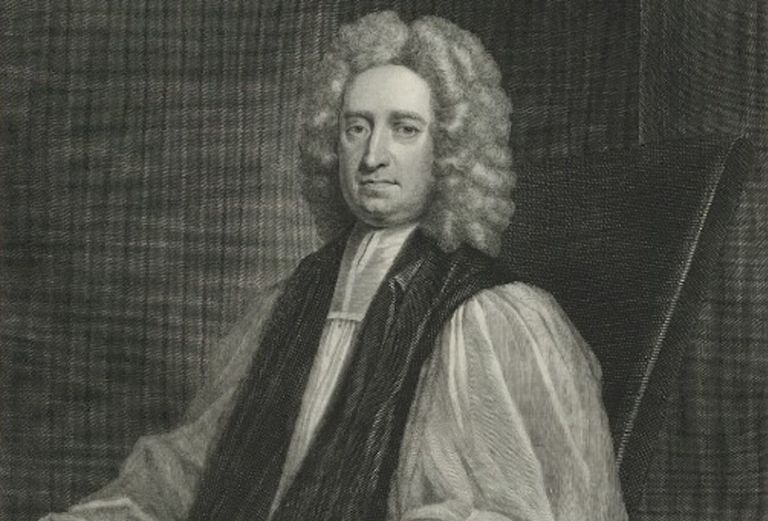
A set of sources contained within the Fulham Papers that I find particularly enlightening are the questionnaires sent to the clergy by Bishop Edmund Gibson in 1723. What I find so illuminating about this source set is that they allow access to a wide array of respondents, whereas a lot of the other items that survive are individual letters or testimonies. Through Gibson’s survey I can consider what the bishop deemed important to ask of his clergy, whilst also having the means to compare different experiences from across colonial spaces. It is unclear how many clergy members were asked to participate, however, in total within the Fulham Papers there is a total of ninety-eight responses across ten of the thirteen colonies. Twenty-eight of these responses came from Virginian clergy and provide information on how each parish operated, the number of parishioners who lived within them, and what work was being done to convert enslaved people within these spaces. Each source is by nature individualised and reflects the clergymen who was in residence at this time. I find this fascinating being able to uncover first hand accounts which served to both inform the bishop, but also to request assistance from him for the betterment of the colonial church.
I can lose hours to each respondent, wrapping my head around their personal history and trying to map this within the wider story of the church. Witnessing how the story of the colonial church unravelled from parish to parish and allowing myself to engage with all those who make up the narrative. From the enslaved to the Bishops of London everyone has an important part to play in this work, and all of them should help to direct the flow of study.
Eleanor Hex is a CHASE funded PhD researcher based at the University of Kent and Fulham Palace. To hear more about her research into Bishop Gibson’s surveys, join us at Fulham Palace on Thursday 13 August for Eleanor’s free talk, ‘The Bishop’s questionnaire‘.