Written by Lucy Hart, head gardener
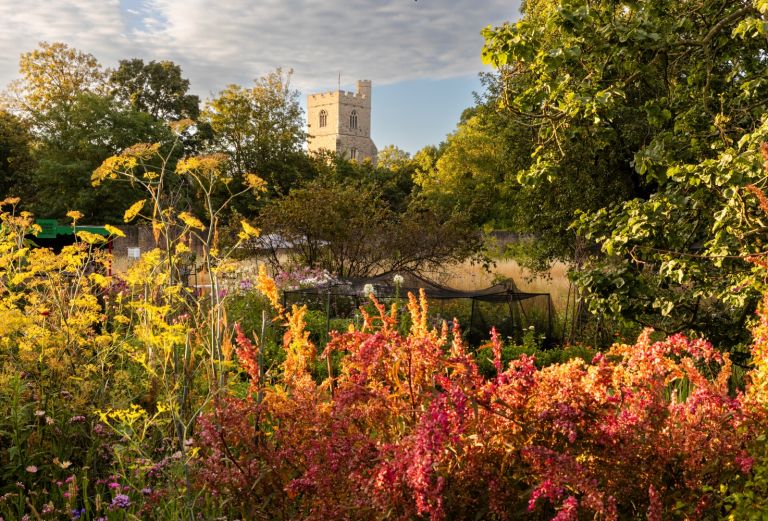
Autumn has settled over Fulham Palace, bringing rich colour, cooler temperatures and a bit of welcome rainfall after a very challenging summer (we could still do with more though).
While many people associate this season with gardens slowing down, it remains one of the busiest and most rewarding times of year for the garden staff and volunteers. Far from putting the garden to bed, autumn is a time of opportunity. Late-flowering perennials, seed heads and autumn foliage continue to provide interest across the gardens.
Behind the scenes, we are busy propagating, planting and maintaining the spaces that visitors enjoy throughout the year.
Lawn recovery
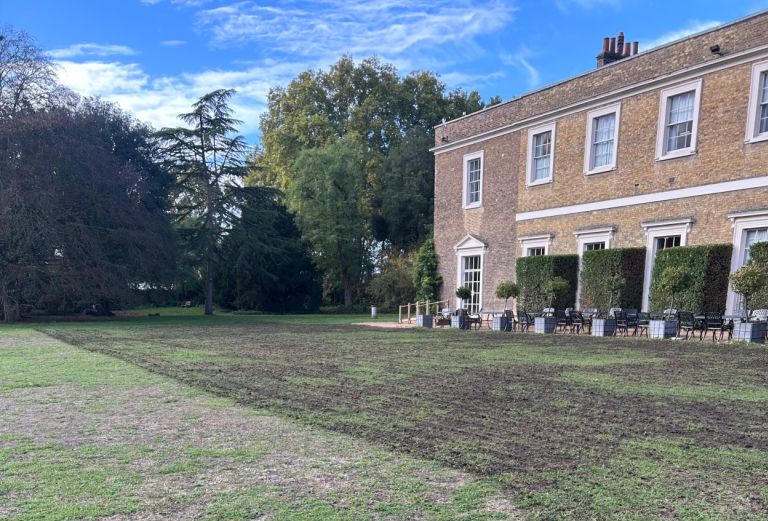
One area of focus this month has been the main lawn. Like many green spaces across the country, it has felt the effects of summer drought, compaction and heavy footfall. Long periods without rain, combined with thousands of visitors crossing the lawn throughout the season, have taken their toll.
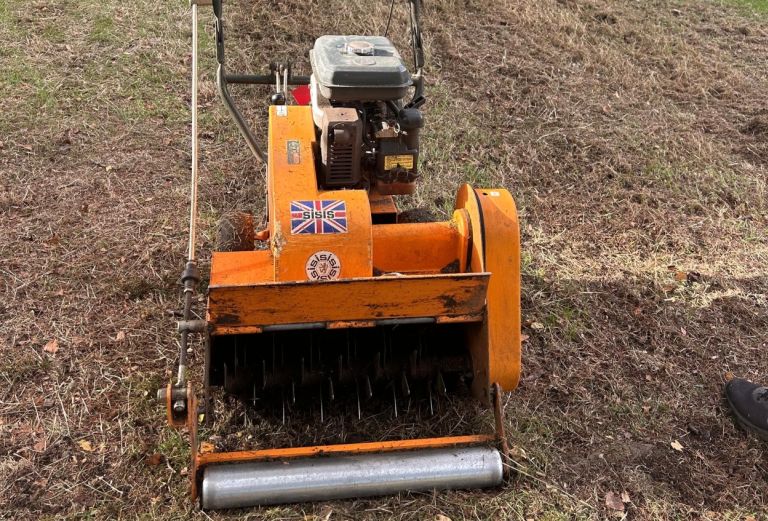
To aid recovery, we have been aerating the lawn by creating thousands of small holes throughout the surface using an aerator machine. This relieves compaction, improves air circulation around the roots and allows water and nutrients to penetrate the soil more effectively. Combined with recent rainfall, these efforts will help restore the lawn’s health and vigour over the coming months.
Autumn propagation
Autumn is an exciting time for plant propagation, and we have been making the most of the abundance of semi-ripe cutting material produced during what has been an excellent growing season.
Semi-ripe cuttings, taken from partially matured stems, are one of the most reliable ways to increase ornamental plants. They help us build resilience within the collection by producing replacement plants and ensuring some of our best performers continue to thrive in future years.
Among this month’s priorities have been the salvias, which continue to provide outstanding colour while supporting pollinating insects. Current favourites include Salvia ‘Pink Pong’, Salvia ‘Phyllis Fancy’ and Salvia ‘Nachtvlinder’ alongside several other varieties that have performed exceptionally well this season.
Taking cuttings now allows us to maintain healthy backup stock and safeguard against winter losses while preparing for next year’s displays.
Potting on for the future
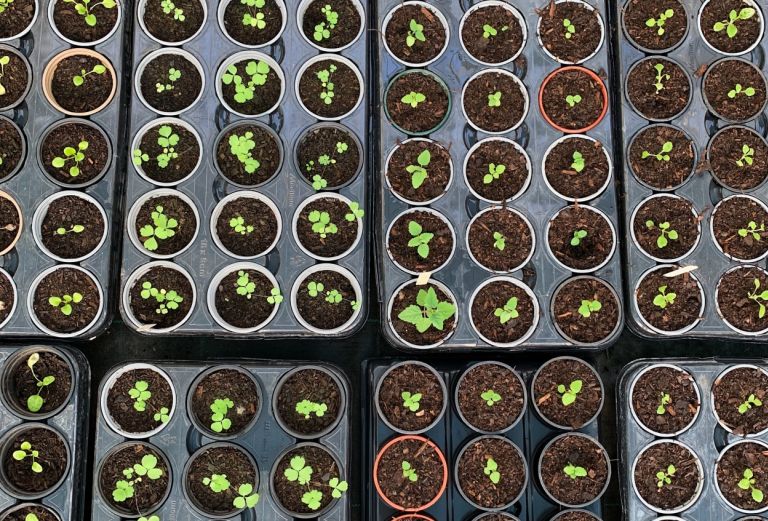
Elsewhere on the production side, attention has been focused on Pelargonium cuttings and seed sowing taken earlier in September. Throughout October, these young plants have been potted on into larger containers, using our fantastic home mix of compost. The compost is made from our own generated leaf mould, our own matured garden loam and some peat free compost. This sustainable, mainly homemade mix, provides the nutrients needed to continue growing strongly.
Propagation is a vital part of our work. It allows us to produce high-quality plants on site while making good use of material grown throughout the gardens. Every successfully rooted cutting has the potential to become part of a future display or can be bought on our market barrow, helping to support the garden while sharing some of our favourite plants with visitors.
Pond management
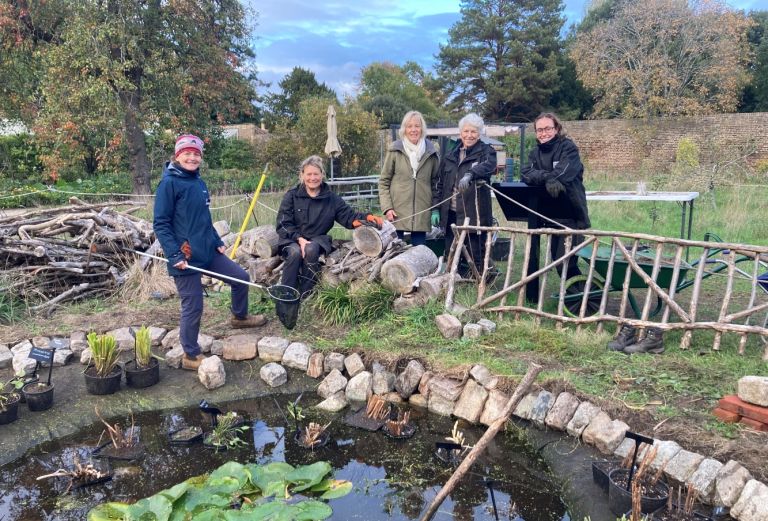
Autumn is also an important time for managing the pond within the walled garden. Following a dry summer, water levels remained low for much of the season, with water retained mainly in the deeper central section where the water lilies are growing. We hope this area will continue to provide valuable overwintering habitat for aquatic wildlife.
As part of our annual maintenance programme, emergent and marginal vegetation is cut back and removed before it can decompose in the water. Left in place, this material would gradually increase nutrient levels, encouraging excessive plant growth and reducing water quality.
Many aquatic plants are then divided and repotted before being returned to the pond. This careful management helps maintain a healthy balance while keeping the pond attractive and biodiverse.
Moat management
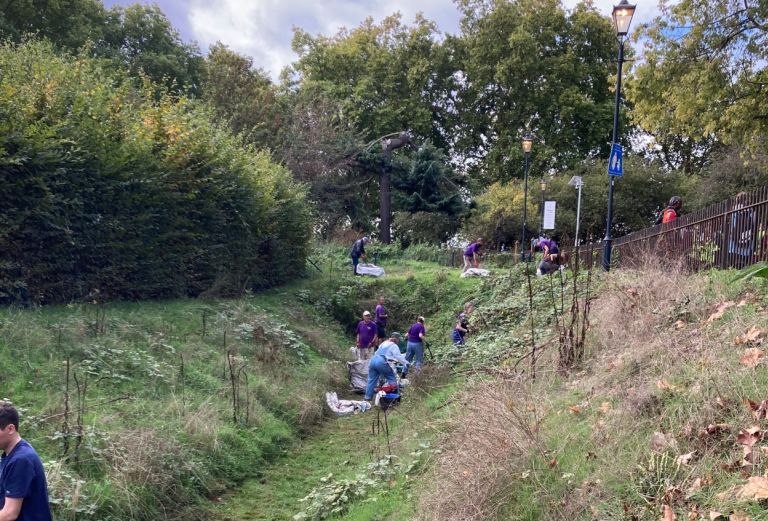
Autumn also marks the start of our annual management of the historic moat, which is maintained as a species-rich long-grass meadow. Unlike the pond, the moat is managed as an important dryland wildlife habitat supporting a wide range of wildflowers, grasses and invertebrates.
To preserve this diversity, the meadow is cut and the vegetation removed. This prevents soil fertility from increasing, which would favour vigorous grasses at the expense of wildflowers.
The benefits of this approach are increasingly visible. Naturally occurring species continue to establish themselves throughout the moat, and this year large drifts of flowering calamint, Calamintha ascendens have been particularly impressive, providing both late-season colour and an important nectar source for pollinating insects.
Managing the moat is physically demanding work, making it a popular task for our corporate volunteer groups. Their enthusiasm and hard work help us tackle this essential conservation task, and we are incredibly grateful for their continued support.
Looking ahead
Despite the shortening days, the garden continues to evolve and surprise. Autumn offers a unique combination of colour, structure and atmosphere while also providing some of the best conditions of the year for planting and propagation.
For gardeners, autumn is not an ending but a continuation of the year’s work. As we enjoy the final bursts of colour from this season’s displays, we are already preparing the plants, habitats and landscapes that will shape the seasons ahead.