
FOR IMMEDIATE RELEASE • 8 JULY 2026
Viking threats, Tudor gambling dice and London’s earliest turkey: the hidden secrets discovered beneath Fulham Palace
For decades, Londoners and visitors have wandered through the tranquil gardens of Fulham Palace, unaware that beneath their feet lies evidence of more than 10,000 years of history.
Now, a landmark new publication is revealing the extraordinary secrets uncovered beneath one of London’s oldest and most fascinating historic sites.
Published by Fulham Palace Trust and Pre-Construct Archaeology (PCA), This Land of 50 Hides is the first complete history of Fulham Palace and its grounds, bringing together more than fifty years of archaeological discoveries and historical research for the first time. The publication is the result of a long-standing collaboration between the two organisations, drawing on decades of excavations, specialist analysis and historical research. PCA’s team of archaeologists, specialists and designers played a key role in researching, interpreting and bringing the story of Fulham Palace to life.
The findings paint a remarkable picture of life in London long before the city existed.


Archaeologists have uncovered evidence of prehistoric communities living on the site thousands of years before the Romans arrived, including the largest collection of worked flint found in London with over 1,800 pieces. The book also explores evidence of Roman farming, Anglo-Saxon settlement and Viking-era activity, revealing that Fulham’s history stretches far beyond its famous role as the historic home of the Bishops of London.
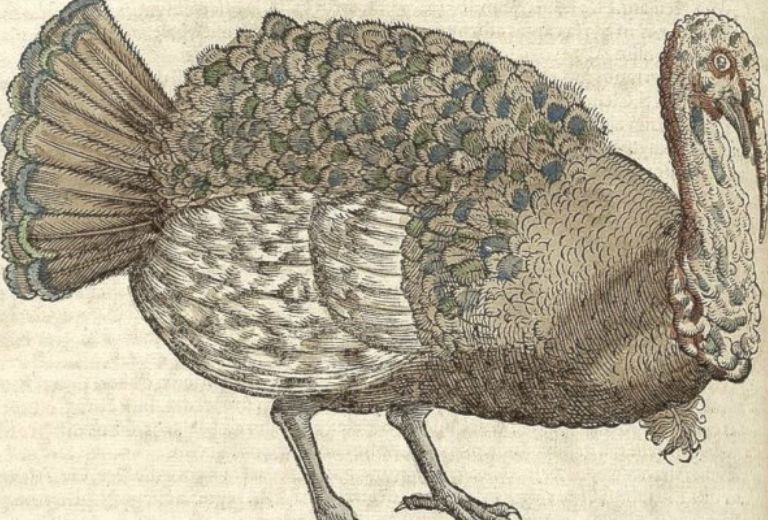
Among the more unusual discoveries featured in the publication is a medieval pike measuring more than one metre in length, providing a glimpse into the rich waterways that once surrounded the Palace. Researchers have also identified what may be the earliest turkey bones yet discovered in London, shedding new light on Tudor diets and the arrival of exotic foods in England.
Written by Fulham Palace community archaeologist Alexis Haslam, the publication combines archaeological evidence with historical records spanning nearly 1,500 years.
For many people Fulham Palace is a beautiful historic house and garden, but beneath the surface lies an extraordinary archaeological archive. Every excavation has added another piece to the puzzle and together these discoveries tell a remarkable story about the people who lived, worked and travelled through this part of London over thousands of years.
Alexis Haslam • community archaeologist at Fulham Palace Trust
Although Fulham Palace is one of London’s most significant historic sites, much of the archaeological work undertaken there since the first excavation in 1972 has remained largely unknown outside specialist circles.
This publication changes that, bringing together half a century of discoveries into a single accessible account for anyone interested in London’s hidden past.
Fulham Palace has witnessed more than a thousand years of London’s history, but many of its most fascinating stories have remained buried, quite literally, beneath the ground. This book allows us to share those stories with a wider audience and reveal just how important Fulham Palace is to understanding London’s past.
Sian Harrington • chief executive of Fulham Palace Trust
To celebrate the publication, Fulham Palace will host a special public launch event on Thursday 6 August featuring author and community archaeologist Alexis Haslam. Visitors will hear about the discoveries that have transformed understanding of the site and have the opportunity to ask questions about the research.
The book will then be available to purchase from the Fulham Palace museum shop, with all proceeds supporting the work of Fulham Palace Trust, the independent charity responsible for preserving and sharing the Palace, museum, gardens and collections.
NOTES TO EDITORS
This Land of 50 Hides is the first complete history of Fulham Palace House and Gardens.
The title references an Anglo-Saxon charter in which Bishop Tyrhtel bestowed land at Fulham on Bishop Wealdhere.
Key discoveries featured in the publication include:
- Evidence of Viking era activity at the site
- The earliest known turkey bones discovered in London
- A medieval pike measuring more than one metre in length
- Surviving evidence of Fulham Palace’s Tudor gardens
- 1,829 pieces of prehistoric worked flint, one of the largest collections recovered from urban London
Fulham Palace was the historic residence of the Bishops of London for more than 1,300 years and is one of the capital’s most significant historic and archaeological sites.
All proceeds from sales of This Land of 50 Hides support Fulham Palace Trust, an independent charity dedicated to the preservation and public enjoyment of Fulham Palace.